Introduction
Every business depends on buildings, equipment, electrical systems, plumbing, air conditioning and other essential infrastructure to operate smoothly. When these systems work properly, employees can focus on their responsibilities and daily operations continue without unnecessary interruptions. However, when maintenance is delayed or equipment failures occur unexpectedly, businesses may face operational disruption, repair expenses and safety concerns.
Many organizations focus on maintenance only after something stops working. This reactive approach can lead to unexpected breakdowns, emergency repair costs and avoidable downtime. A better approach is to identify potential problems early and maintain equipment through planned inspections and servicing.
This is where preventive maintenance in facility management becomes important.
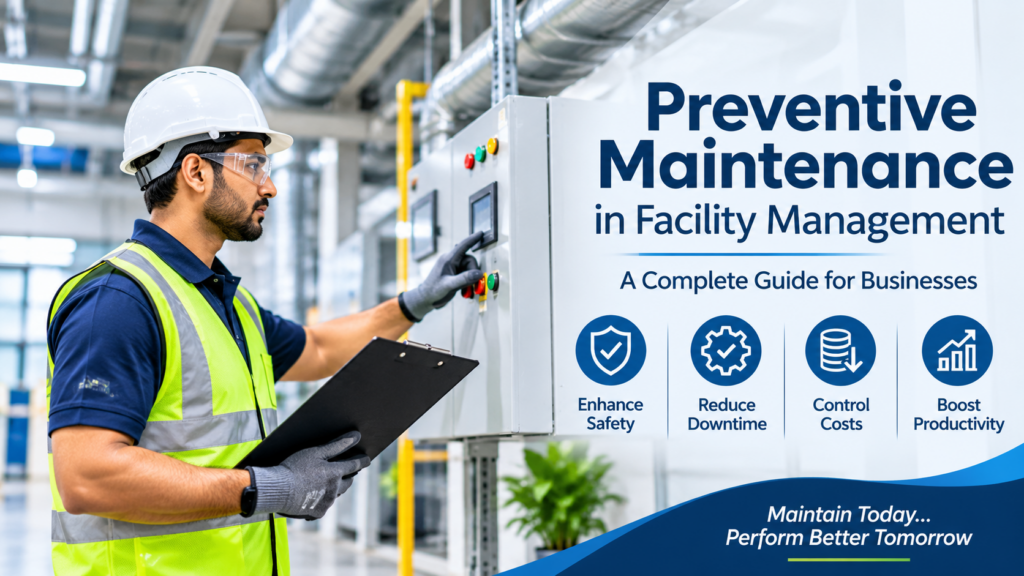
Preventive maintenance involves regularly inspecting, servicing and maintaining building infrastructure and equipment to reduce the likelihood of unexpected failures. It helps organizations identify developing issues before they become serious problems.
For corporate offices, manufacturing facilities, warehouses, commercial buildings and industrial units, a structured maintenance program supports equipment reliability, workplace safety and business continuity.
In this guide, we will explore the importance of preventive maintenance, common maintenance activities, implementation strategies and how professional facility management services can help businesses maintain their infrastructure.
What Is Preventive Maintenance in Facility Management?
Preventive maintenance is a planned approach to inspecting, servicing and maintaining equipment and building systems at scheduled intervals.
Instead of waiting for a breakdown, maintenance teams perform regular checks to identify wear, damage, leaks, unusual noise, overheating and other early warning signs.
In facility management, preventive maintenance covers different areas of a property, including:
- Electrical installations and distribution systems
- Air conditioning and ventilation systems
- Plumbing and water supply systems
- Pumps and motors
- Fire safety equipment
- Elevators and other building equipment
- Lighting systems
- Doors, windows and access systems
- Generators and backup power systems
- Building structures and common areas
The exact maintenance schedule depends on the equipment type, manufacturer’s recommendations, operating conditions, building usage and applicable safety requirements.
A well-planned preventive maintenance program helps businesses maintain their facilities while reducing the risk of unexpected equipment failure.
Why Preventive Maintenance Is Important for Businesses
Building infrastructure and equipment experience regular wear due to continuous usage, environmental conditions and ageing components. Without proper maintenance, small defects can develop into expensive problems.
Preventive maintenance helps businesses manage these risks through planned inspections and timely servicing.
1. Reduces Unexpected Equipment Breakdowns
Unexpected equipment failure can interrupt daily operations. A malfunctioning air conditioning system may affect office comfort, while electrical or mechanical failures can disrupt production and essential services.
Regular inspections help maintenance teams identify unusual equipment conditions before they lead to major breakdowns.
For example, checking motors for abnormal vibration, inspecting electrical connections and monitoring equipment temperature can help identify problems that require attention.
2. Helps Control Maintenance Expenses
Emergency repairs can involve additional costs, especially when equipment fails outside normal working hours or requires urgent replacement parts.
Preventive maintenance allows businesses to plan servicing activities, schedule repairs and manage maintenance requirements in advance.
Although regular maintenance involves ongoing expenses, it can help reduce the financial impact of major equipment failures.
3. Improves Workplace Safety
Poorly maintained electrical systems, damaged flooring, leaking pipes and malfunctioning equipment can create workplace hazards.
Regular inspections help identify unsafe conditions and allow maintenance teams to arrange corrective action.
Maintenance activities should follow appropriate safety procedures, especially when dealing with electrical installations, machinery, working at height or other high-risk tasks.
4. Supports Business Continuity
Businesses depend on reliable infrastructure to maintain their daily activities. A breakdown in an essential system may affect employees, customers, production schedules and service delivery.
A preventive maintenance plan helps reduce avoidable interruptions by keeping critical equipment under regular observation.
For manufacturing facilities, this is especially important because equipment failure can affect production schedules and delivery commitments.
5. Helps Extend Equipment Service Life
Equipment that receives appropriate maintenance is generally better positioned to operate reliably over its intended service life.
Cleaning, lubrication, calibration, inspection and replacement of worn components can help reduce unnecessary stress on equipment.
Maintenance should always follow the manufacturer’s instructions and the equipment’s operating requirements.
Types of Preventive Maintenance Used in Facility Management
Different facilities require different maintenance strategies. The most suitable approach depends on equipment usage, operating conditions and the consequences of failure.
1. Time-Based Preventive Maintenance
Time-based maintenance is performed at predetermined intervals, such as weekly, monthly, quarterly or annually.
For example:
- Monthly inspection of selected electrical panels
- Quarterly servicing of air conditioning equipment
- Scheduled inspection of pumps and motors
- Periodic checks of fire safety equipment
- Annual servicing as specified by equipment manufacturers
This approach works well for equipment that requires routine servicing at known intervals.
2. Usage-Based Preventive Maintenance
Usage-based maintenance is scheduled according to how frequently equipment operates.
For example, machinery may require servicing after a specified number of operating hours, while certain filters may need replacement based on usage conditions.
This approach can be useful in industrial facilities where equipment operates for long hours or across multiple shifts.
3. Condition-Based Maintenance
Condition-based maintenance uses inspections and equipment condition information to determine when maintenance is required.
Maintenance teams may monitor:
- Temperature
- Vibration
- Noise
- Pressure
- Leakage
- Equipment performance
- Visible wear and damage
If readings or observations indicate abnormal conditions, maintenance can be scheduled before a breakdown occurs.
4. Predictive Maintenance
Predictive maintenance uses equipment data, monitoring systems and analytical methods to estimate when a failure may occur.
Depending on the facility, it may involve vibration analysis, thermal imaging, oil analysis or other condition-monitoring techniques.
Predictive maintenance can be useful for critical equipment where unexpected failure would have a significant operational or financial impact.
Essential Preventive Maintenance Activities in Commercial Buildings
Commercial buildings contain several interconnected systems that require regular attention.
Electrical System Maintenance
Electrical infrastructure should be inspected by qualified personnel according to applicable requirements and manufacturer guidance.
Typical activities include:
- Inspecting electrical panels and distribution boards
- Checking for visible damage or overheating
- Reviewing unusual electrical issues
- Inspecting wiring and connections where appropriate
- Checking lighting systems
- Maintaining backup power equipment
- Arranging corrective work when faults are identified
Electrical maintenance should never be assigned to unqualified personnel.
HVAC System Maintenance
Heating, ventilation and air conditioning systems contribute to indoor comfort and air circulation.
Regular maintenance may include:
- Inspecting air filters
- Cleaning components according to manufacturer instructions
- Checking drainage systems
- Inspecting accessible ducting and vents
- Reviewing cooling performance
- Checking unusual noise or vibration
- Arranging servicing by qualified technicians
Well-maintained HVAC systems help support comfortable indoor environments and reliable operation.
Plumbing and Water System Maintenance
Plumbing problems can cause water wastage, property damage and hygiene concerns.
Preventive maintenance activities may include:
- Checking taps and pipelines for leakage
- Inspecting drainage systems
- Monitoring water pressure
- Checking pumps and storage tanks
- Inspecting valves and fittings
- Identifying signs of corrosion
- Arranging repairs when required
Regular inspection can help identify leaks before they cause extensive damage.
Fire and Life Safety Equipment
Fire safety systems require regular inspection, testing and maintenance in accordance with applicable regulations and manufacturer requirements.
Depending on the building, these systems may include fire alarms, extinguishers, emergency lighting, hydrants, sprinklers and other safety equipment.
Inspection and maintenance should be performed by competent and authorized personnel. Records should be maintained to demonstrate that required checks have been completed.
Generator and Backup Power Maintenance
Generators and backup power systems support essential operations during interruptions to the main electricity supply.
Maintenance may include scheduled inspections, battery checks, fuel-system checks, test runs and servicing according to manufacturer recommendations.
A reliable backup power arrangement is especially important for facilities where power interruptions can affect critical operations.
Preventive Maintenance in Industrial Facilities
Industrial facilities often operate machinery, production equipment, material-handling systems and utilities for extended periods. Equipment failure can affect production output, worker safety and delivery schedules.
Industrial preventive maintenance should therefore be aligned with production requirements and equipment criticality.
Production Machinery Inspection
Regular inspection helps identify worn components, loose fittings, unusual vibration, overheating and other signs of equipment deterioration.
Maintenance teams should follow equipment manuals and approved maintenance procedures.
Conveyor and Material-Handling Systems
Conveyor belts, rollers, motors and material-handling equipment require scheduled inspection to maintain reliable operation.
Maintenance teams should check for visible belt damage, unusual noise, alignment issues and other operating concerns.
Pumps and Motors
Pumps and motors support several industrial processes. Their maintenance may involve checking vibration, temperature, lubrication, seals and operating performance.
Industrial Utility Systems
Compressed air, water supply, ventilation and other utility systems can affect multiple production activities.
Regular checks help identify pressure fluctuations, leakage, abnormal readings and performance issues.
Housekeeping Around Equipment
Good industrial housekeeping also supports maintenance and workplace safety.
Keeping access routes clear, removing waste and managing spills can help maintenance teams inspect equipment more effectively. Cleaning activities should be coordinated with operational and equipment-safety procedures.
How to Develop an Effective Preventive Maintenance Plan
A maintenance plan should be practical, documented and suitable for the facility’s operational requirements.
The following steps can help businesses establish a structured approach.
Step 1: Identify All Assets
Begin by preparing an inventory of equipment and building systems that require maintenance.
Record relevant information such as:
- Equipment name
- Location
- Manufacturer and model
- Installation date, where available
- Operating requirements
- Maintenance history
- Warranty information
- Criticality to business operations
A complete asset inventory provides a foundation for planning maintenance activities.
Step 2: Identify Critical Equipment
Not every asset has the same operational importance.
Businesses should identify equipment whose failure could affect safety, production, building operations or essential services.
For example, a backup generator in a critical facility may require closer monitoring than non-essential equipment.
Prioritizing critical assets helps allocate maintenance resources more effectively.
Step 3: Create a Maintenance Schedule
Prepare a schedule based on manufacturer recommendations, equipment usage, risk assessments and applicable regulations.
The schedule should identify:
- Maintenance activity
- Frequency
- Responsible personnel
- Required tools and materials
- Expected completion date
- Inspection requirements
The schedule should be reviewed periodically to reflect changes in equipment conditions and facility requirements.
Step 4: Assign Trained Personnel
Maintenance work should be assigned according to the technical skills and authorization required.
Electrical, mechanical, fire safety and other specialized activities may require qualified technicians or approved service providers.
Clear responsibility helps avoid missed inspections and confusion during maintenance work.
Step 5: Maintain Inspection Checklists
Checklists help technicians follow consistent procedures and record inspection results.
A checklist may include equipment condition, unusual observations, completed tasks, corrective action and the technician’s details.
These records make it easier to track recurring problems and review maintenance performance.
Step 6: Maintain Spare Parts and Supplies
Some equipment requires specific spare parts and consumables for routine servicing.
Businesses should identify essential components and manage stock according to equipment criticality, supplier lead times and maintenance requirements.
This can reduce delays when repairs or scheduled replacements are needed.
Step 7: Review and Improve the Program
A preventive maintenance plan should not remain unchanged.
Review maintenance records, breakdown reports, recurring issues and inspection findings to identify areas that need improvement.
If the same equipment repeatedly develops faults, the maintenance frequency or approach may need to be reviewed.
Common Preventive Maintenance Mistakes Businesses Should Avoid
Even organizations with maintenance teams can experience problems when maintenance activities are not properly planned.
1. Ignoring Minor Issues
A small leak, unusual vibration or recurring electrical issue may indicate a developing problem.
Ignoring early warning signs can increase the risk of more serious equipment damage.
2. Following the Same Schedule for Every Asset
Different equipment has different maintenance requirements. Applying one standard schedule to all assets may result in unnecessary servicing for some equipment and insufficient maintenance for others.
Schedules should be based on manufacturer guidance and operating conditions.
3. Poor Maintenance Documentation
Without proper records, businesses may struggle to identify completed activities, outstanding work and recurring faults.
A maintenance log or suitable digital system helps keep information organized.
4. Using Unqualified Personnel
Certain maintenance tasks involve technical and safety risks. Assigning these activities to personnel without suitable training or authorization can create serious hazards.
5. Delaying Corrective Action
Inspections are useful only when identified issues are addressed. Maintenance findings should be reviewed, assigned and tracked until corrective action is completed.
6. Neglecting Building Infrastructure
Businesses sometimes focus on production machinery while overlooking plumbing, electrical systems, HVAC equipment, drainage and other building infrastructure.
A complete facility maintenance plan should cover all important assets.
Role of Professional Facility Management Services in Preventive Maintenance
Managing maintenance across a large office, commercial property or industrial facility requires coordination, technical knowledge, scheduling and supervision.
Professional facility management services can help organizations manage these responsibilities through structured maintenance support.
A facility management provider may assist with:
- Coordinating scheduled maintenance activities
- Arranging inspections and servicing
- Supporting electrical and mechanical maintenance
- Monitoring building infrastructure
- Coordinating specialized technicians
- Maintaining service and inspection records
- Reporting equipment issues
- Following up on corrective actions
- Supporting day-to-day facility operations
The actual scope depends on the service agreement and the technical capabilities of the provider.
By coordinating maintenance activities, businesses can manage their facilities more systematically and reduce the burden on internal administrative and operations teams.
How to Measure Preventive Maintenance Performance
Businesses should monitor maintenance performance to understand whether their program is meeting its objectives.
Some useful indicators include:
1. Planned Maintenance Completion Rate
Measures the percentage of scheduled maintenance activities completed within the planned period.
2. Equipment Downtime
Tracks the amount of time equipment remains unavailable due to breakdowns or maintenance issues.
3. Repeat Failure Rate
Identifies how frequently the same equipment experiences recurring problems.
4. Maintenance Response Time
Measures how quickly maintenance teams respond after an issue is reported.
5. Preventive and Corrective Maintenance Ratio
Helps businesses understand how much maintenance effort is spent on planned activities compared with unplanned repairs.
6. Maintenance Cost Trends
Tracks maintenance spending over time and helps identify equipment or systems with increasing repair requirements.
These indicators should be interpreted according to the type of facility, equipment and operating environment.
How Arise Facility Solutions Supports Facility Maintenance
Arise Facility Solutions provides facility management and technical maintenance support for businesses seeking professional assistance with their workplace and facility operations.
Maintaining a facility involves more than responding to breakdowns. It requires coordination, regular attention to building infrastructure and timely reporting of maintenance concerns.
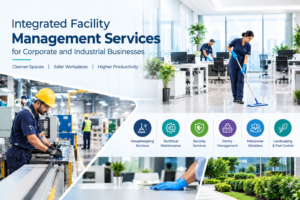
Arise Facility Solutions offers facility management solutions that can support organizations in managing their operational requirements. Its service portfolio includes facility management, technical maintenance, housekeeping, manpower solutions and integrated facility management services.
For corporate offices and industrial establishments, coordinated facility support can help maintain essential workplace systems and day-to-day operations.
Businesses looking for professional Facility Management Services in Mumbai and surrounding areas can explore the solutions offered by Arise Facility Solutions.
Visit: https://arisefacilitysolutions.com/
Conclusion
Preventive maintenance in facility management is an important part of maintaining reliable, safe and efficient business facilities. Regular inspections, planned servicing and timely corrective action help organizations identify equipment problems early and reduce the risk of unexpected breakdowns.
From electrical systems and HVAC equipment to plumbing, generators and industrial machinery, every important asset should have a maintenance approach suited to its operating requirements.
Businesses that invest in structured maintenance planning can improve equipment oversight, manage repair requirements and support business continuity.
Working with a professional facility management provider such as Arise Facility Solutions can help organizations coordinate their facility requirements and maintain a more organized approach to workplace operations.
Frequently Asked Questions
1. What is preventive maintenance in facility management?
Preventive maintenance in facility management involves scheduled inspection, servicing and upkeep of building systems and equipment to reduce the likelihood of unexpected failures.
2. What are the main benefits of preventive maintenance?
It helps reduce unexpected breakdowns, manage repair expenses, improve workplace safety, support business continuity and maintain equipment reliability.
3. What is the difference between preventive and corrective maintenance?
Preventive maintenance is performed before equipment fails to reduce the risk of problems. Corrective maintenance is performed after a fault or failure has been identified.
4. Which equipment requires preventive maintenance?
Electrical systems, HVAC equipment, pumps, motors, generators, plumbing systems, fire safety equipment and industrial machinery may all require preventive maintenance.
5. How often should preventive maintenance be performed?
The frequency depends on equipment type, manufacturer recommendations, operating hours, usage conditions and applicable regulations.
6. Is preventive maintenance necessary for office buildings?
Yes. Office buildings depend on electrical systems, air conditioning, plumbing, lifts, lighting and safety equipment. Regular maintenance helps keep these systems in suitable operating condition.
7. How does preventive maintenance reduce business costs?
It can help identify developing faults early, reduce emergency repairs and support better planning of maintenance expenses and spare parts.
8. What is condition-based maintenance?
Condition-based maintenance involves monitoring equipment condition and performing maintenance when inspections or measurements indicate that attention is required.
9. What is predictive maintenance?
Predictive maintenance uses equipment data and monitoring techniques to estimate when maintenance may be required before a failure occurs.
10. Can facility management companies handle preventive maintenance?
Facility management companies may coordinate or provide maintenance services depending on their technical capabilities, personnel and agreed service scope.
11. Why is maintenance documentation important?
Maintenance documentation records inspections, completed work, equipment conditions and corrective actions. It supports accountability and helps identify recurring problems.
12. What industries benefit from preventive maintenance?
Corporate offices, manufacturing plants, warehouses, hospitals, commercial buildings, educational institutions and other facilities with essential infrastructure can benefit from preventive maintenance.