Introduction
Mumbai is one of India’s major industrial hubs. From manufacturing, chemicals, food processing, to the logistics and warehousing sectors, the city and its suburbs (like Thane, Navi Mumbai, MIDC areas, etc.) host thousands of industrial units. In such facilities, keeping everything clean, well‑organized, and compliant is not just about appearance — it directly impacts safety, efficiency, regulatory compliance, and worker well‑being. Industrial housekeeping services cater specifically to this need.
This article explains what industrial housekeeping entails, why it matters in Mumbai’s context, the benefits, the challenges, how to pick a service provider, implementation tips, plus a FAQ section.
What is Industrial Housekeeping?
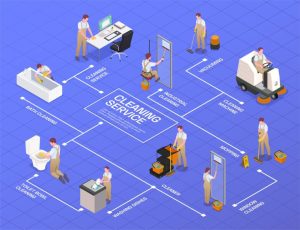
Industrial housekeeping refers to systematic and regular cleaning, maintenance, and organizing of industrial facilities. It covers more than just sweeping floors: it involves dealing with heavy machinery, handling hazardous residues, managing waste/wastewater, cleaning high structures like ducts and ceilings, ensuring safety zones are clear, and keeping operations compliant with rules on environment, safety, and health.
Key components include:
- Cleaning of floors, walls, machines, equipment, ducts, vents, and overhead structures.
- Waste separation, collection, and disposal — including hazardous waste.
- Spill management (oil, chemical) and immediate cleanup to prevent accidents.
- Drainage, pipelines, and sewer maintenance.
- Periodic deep cleaning, shutdown‑cleaning when machines or sections are offline.
- Regular inspections and audits for cleanliness and safety.
Why Mumbai Industries Need Robust Housekeeping
There are several reasons why industrial housekeeping is especially critical for industrial units in and around Mumbai:
- Environmental Factors
Mumbai’s climate includes high humidity and heavy monsoon rains, which can cause mould, rust, water stagnation, etc. Coastal proximity adds saline air which speeds up corrosion. Dust levels from nearby roads or industrial activity further complicate keeping machinery, vents,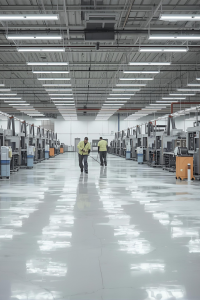 and indoor areas clean.
 - Regulatory Pressure
Maharashtra has strong industrial, environmental, and safety norms. Industrial facilities are expected to meet pollution control rules, waste disposal norms, labour safety laws, etc. Poor housekeeping can put companies at risk of fines, license issues, or shutdowns. - High Utilization & Limited Downtime
Many factories or plants run long shifts with little downtime. Continuous operations mean dust, oil, grime, residues accumulate quickly. Without scheduled cleaning and maintenance, machinery might degrade faster, breakdowns happen, efficiency drops. - Health, Safety & Morale of Workers
Unsanitary conditions, chemical residues, blocked ductwork or slippery floors are hazards. Workers may risk respiratory problems, slips, cuts, or other injuries. Clean, safe workplaces improve morale, reduce absenteeism, and increase productivity. - Competitive Edge and Quality Standards
Whether supplying to national or international clients, industries are assessed not only on product quality but also on facility hygiene, safety, environmental compliance. Good housekeeping helps build reputation, compliance with audits (ISO, etc.), customer confidence.
Benefits of Industrial Housekeeping
Here are the tangible advantages a company gets by investing properly in industrial housekeeping:
| Area | Benefit |
| Safety & Risk Mitigation | Reduces hazards like slips, trips, machinery accidents, fire risk (due to grease build‑up or combustible waste). |
| Regulatory Compliance | Helps in meeting local pollution, labour safety, waste management, and environmental regulations. Documentation through audits helps avoid penalties. |
| Equipment Longevity & Reliability | Cleaner machines last longer. Dust, rust, debris cause wear; timely cleaning and maintenance reduce breakdowns. |
| Operational Efficiency | Cleaner work zones, better layout, less clutter, properly functioning systems help reduce inefficiencies, downtime. |
| Cost Savings | Avoid repair costs, fines, downtime — which can be far costlier than regular housekeeping. Also savings on energy (less clogged vents, more efficient HVAC systems). |
| Better Worker Health & Productivity | Good indoor air quality, safe walkways, clean facilities reduce health‐related leaves; boost morale. |
| Improved Image & Credibility | Helps in audits, takes care of ESG (environment, social, governance) responsibility, enhances brand reputation to clients, investors. |
Common Challenges in Industrial Housekeeping in Mumbai
Even with awareness of the benefits, many industrial units struggle. Some of the common challenges are:
- Shift‑based Operations and Constraints on Cleaning Time
When operations run 24/7 or in multiple shifts, finding windows for deep cleaning, dismantling machinery, or working in hazardous zones is hard. Cleaning during operation may hamper safety or production. - Handling Hazardous Materials & Compliance Risks
Many industrial establishments handle chemicals, oil, solvents, or dust that may be toxic or flammable. Mistakes in disposal, chemical handling, or lack of proper protective equipment expose workers and the company to legal or health risk. - High Turnover of Housekeeping Staff & Limited Skill Training
Staff attrition is common in cleaning roles. New staff may lack awareness of industrial risks, safe handling protocols, or use of machinery (e.g., industrial scrubbers). Ongoing training is often neglected. - Resource Constraints
Cost of mechanized cleaning equipment, quality cleaning chemicals, PPE, etc., can be high. Small or medium units may not be able to invest. - Weather / Seasonal Issues
Monsoon brings water stagnation, dampness, mould, pest issues. Coastal humidity accelerates corrosion. High dust during dry seasons. All this demands adaptive cleaning frequency, equipment, and chemicals. - Coordination & Oversight
Ensuring quality, tracking when and how cleaning tasks are done, inspections, feedback, follow‑ups — these require supervision. Without proper oversight, quality dips, corners cut, safety compromised. - Eco & Waste Management Expectations
Increasing environmental expectations in Mumbai (and globally) require proper waste management, safe disposal of hazardous waste, use of eco‑friendly chemicals, reducing water consumption, etc. Non‑observance can lead to regulatory issues and public scrutiny.
How to Choose an Industrial Housekeeping Service Provider in Mumbai
If you are deciding to hire a housekeeping firm for your facility, here are criteria to evaluate:
- Relevant Experience & Sector Knowledge
Look for firms that already service industrial clients (factories, warehouses, chemical units) in or around Mumbai. Experience in similar scale and hazards is very valuable. - Range of Services Offered
Check whether their offering includes deep cleaning, duct/exhaust cleaning, spill management, hazardous waste disposal, façade cleaning, drainage cleaning, etc. Flexibility to customise is a plus. - Certifications, Legal Compliance, Safety Culture
Firms with ISO certifications (e.g. ISO 9001), or those who adhere to environment / safety norms, whose workers are trained, insured, equipped with PPE, use MSDS (Material Safety Data Sheets) for chemicals. - Equipment & Technology
Use of mechanized cleaning machines, industrial vacuums, pressure washers, auto‑scrubbers, etc. Also, tools to monitor cleaning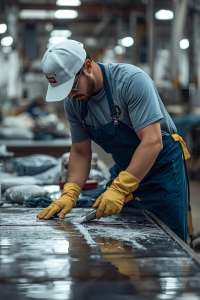 schedules and inspections (apps, checklists, audits).
 - Green/Eco Practices
Use of eco‑friendly cleaning agents, water saving, proper disposal / recycling of waste, minimizing chemical risks. - Reliability & Timely Execution
Can they work during off‑hours or shutdowns to avoid disrupting production? Do they have capacity to scale when required? What are their response times? - Transparency in Pricing & Contract Terms
Clear scope, frequency, penalties for missed service, what is included/excluded. Hidden costs are often problematic. - Reputation & References
Seek client testimonials, case studies. Visit references. Check online reviews. Industrial clients often rely on past performance. - Local Presence & Support
A firm located close to your facility in Mumbai/Navi Mumbai/Thane etc. will be more responsive, lower travel cost, quicker support.
Implementation: Best Practices & Scheduling
Once a provider is selected, successful implementation depends on planning. Here are steps and practices to follow:
- Initial Facility Audit & Risk Assessment
Survey the site to identify hazard zones, heavy dust/build‑up sections, areas needing special cleaning (chemical, oil, etc.), drainage issues, etc. - Define Cleaning Zones & Priorities
Divide facility into zones depending on risk and use — eg, high‑traffic, machinery, processing, storage, support areas. Assign priority and frequency accordingly. - Set Cleaning Frequency & Types of Cleaning
Typical schedule could be:- Daily: floor sweeping, spill cleanup, surface wipe‑downs, waste removal.
- Weekly / Bi‑weekly: machinery exterior cleaning, walls, overhead beams, light fittings.
- Monthly: ducts, exhausts, deep cleaning of certain zones.
- During shutdown / planned downtime: intensive / deep cleaning, cleaning of interiors of equipment, facade, structural elements.
- Use Modern Equipment & Proper Chemicals
Mechanized scrubbers, industrial vacuums (with HEPA or appropriate filtration if required), pressure washers, etc. Chemicals must be effective, safe, with MSDS, and ideally eco‑friendly. - Safety Measures & Protocols
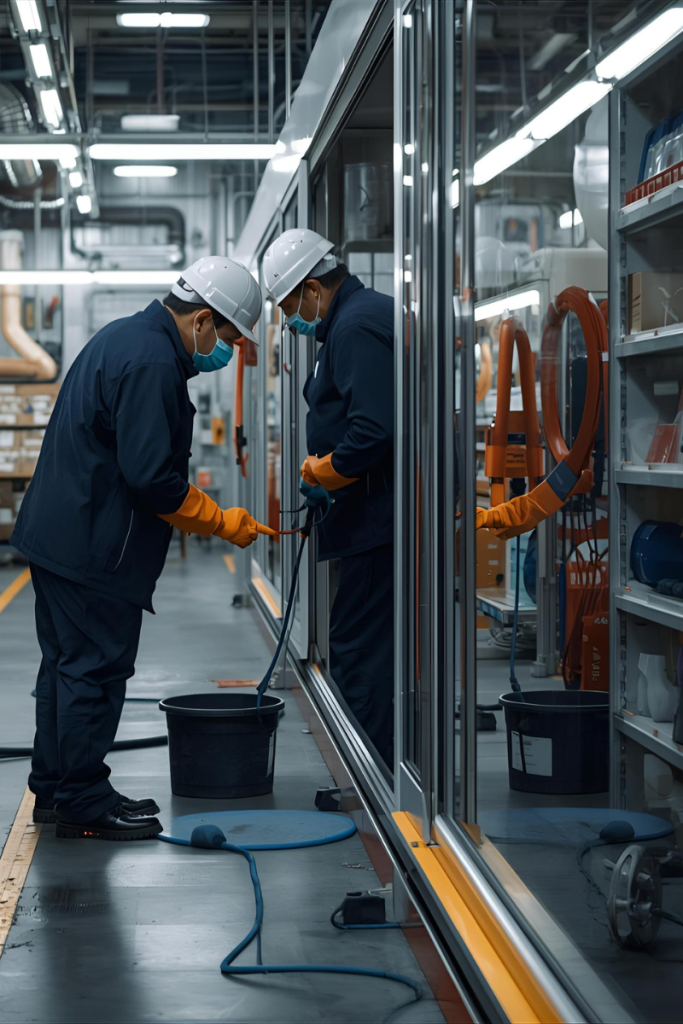
Workers must have proper PPE (gloves, masks, protective clothing), training in chemical handling, handling of spills, emergency protocols. Clear signage in areas being cleaned, lockout‑tagout procedures if working near running machines, etc. - Supervision, Audits & Quality Checks
Use checklists, regular inspections, supervisor oversight. Document what was done, note deficiencies, assign responsibility. Perhaps periodic third‑party audit to maintain objectivity. - Feedback & Continuous Improvement
Collect input from plant managers, workers, supervisors. Identify recurring issues and adjust schedule, method, staff, or tools. Make cleaning programmes dynamic — increase during seasons (monsoon, dry season), after expansions, etc. - Scheduling to Minimise Disruption
Where possible, major cleaning during off‑hours or shutdowns. Plan routines so that production, safety, and worker flow aren’t unduly affected.
Industrial Housekeeping in Mumbai – Local Examples & Practices
To give more concrete context, here are some practices and local facts from Mumbai / Maharashtra region:
- Several facility management companies operating in Mumbai, Navi Mumbai, Thane offer industrial housekeeping with coverage of all MIDC areas. Services include mechanised cleaning, deep cleaning, façade cleaning, grease removal, etc. (see e.g. some local providers).
- Firms often highlight ISO 9001:2015 certification and legal compliance as differentiators. A provider’s capacity to handle hazardous waste or comply with environment regulations is a frequent demand.
- Use of eco‑friendly chemicals is increasingly emphasized, especially by industries that must meet ESG (Environmental, Social and Governance) and sustainability goals.
- Drainage and water stagnation management becomes critical during monsoon months. Leaks, blocked drains, flood‑prone zones need extra attention.
- Worker training is often a missing link. Workers need awareness of safety, use of PPE, handling chemicals, and the importance of cleanliness in affecting machine lifespan.
Cost Considerations
While costs vary widely depending on size, complexity, frequency, and services required, here are typical factors that affect pricing:
- Area (square meters/feet) to be cleaned
- Frequency (daily, weekly, monthly, periodic deep cleans)
- Level of contamination / dirt / hazard (chemical, oil, grease, etc.)
- Height / overhead structures, elevated ducts / ceilings etc.
- Machinery and tools needed (scrubbers, vacuums, pressure washers)
- Safety / PPE requirements
- Waste disposal (especially hazardous waste) and regulatory compliance
- Travel, manpower, supervision, training costs
It’s best to seek detailed quotes from multiple providers, with clear scopes defined so you can compare apples to apples.
Future Trends & What to Expect
Looking ahead, industrial housekeeping in Mumbai and similar urban industrial centres will likely see:
- More mechanization & automation (auto‑scrubbers, robotic cleaning, vacuum systems)
- Increased use of IoT / sensor‑based monitoring (for example, sensors in ducts to measure clogging; moisture sensors etc.)
- Stronger regulatory pressure and environmental norms, pushing for greener, waste‑efficient practices, better chemical safety, water usage monitoring.
- Higher expectations from clients regarding ESG compliance and sustainability reporting.
- More formal training / certifications for housekeeping staff, greater turnover management, better job standards.
Frequently Asked Questions
Q1. What kind of industries require industrial housekeeping services?
A: Any industry that has large facilities, machinery, waste, or operations involving dust, chemicals, oil, or equipment. Examples include manufacturing plants, food processing units, chemical units, warehouses, logistics hubs, metal works, pharmaceuticals, textile units, etc.
Q2. How often should deep cleaning be done in industrial facilities?
A: It depends on the type of process, the level of dust or contaminant accumulation, and regulatory requirements. Typically, deep cleaning of certain zones might be done monthly or quarterly; some parts may require annual deep clean‑shutdowns. High‑risk or high usage zones might need more frequent attention.
Q3. Are there standards or regulations in India / Maharashtra for industrial cleanliness and waste disposal?
A: Yes. There are multiple laws and norms — environmental (such as pollution control board regulations), labour safety laws, rules for handling hazardous substances, and waste management rules (for hazardous / non‑hazardous waste). Also, facilities often need to meet audits (ISO, etc.) depending on clients or industry sector.
Q4. What protections should housekeeping staff have?
A: At minimum, proper Personal Protective Equipment (PPE) — gloves, masks or respirators (if dust or chemicals), protective clothing. Training in chemical safety, handling of spills, safe handling of machinery, and emergency procedures. Also, health checkups, insurance, and supervision.
Q5. Can housekeeping disrupt production? How is that minimized?
A: Yes, it can if cleaning is done during active production, around sensitive equipment, or when workers are present. To minimize disruption, cleaning schedules are planned around shift timings, downtime, or off‑hours. Also, providers can do zonal cleaning so that only one section is cleaned at a time, with safety corridors etc.
Conclusion
Industrial housekeeping is not a luxury, but a necessity for any industrial operation in Mumbai. It protects your machinery, your workers, your reputation, and your bottom line. The key is to choose a capable provider, plan carefully, maintain consistent execution, and always aim for safety, compliance, and continuous improvement.